Respiratory distress and behaviour in cats
I recently listened to a lecture about respiratory distress and cats and wanted to talk about some key findings incase they are helpful to you and your cats or someone you know.
I won't touch too much of the physical aspect of respiratory distress (there is information here) if you want to know more, but instead about the emotional side.
Here are some good videos of feline respiratory challenges compared to hair ball challenges.
A cat who has a more protective or emotionally cautious response to the world may be more likely to see unfamiliar things in their environment as something to be wary of, rather than something to investigate. This can be influenced by a number of factors, including experiences during development, early-life experiences, genetics, limited socialisation or habituation, and ongoing stress.
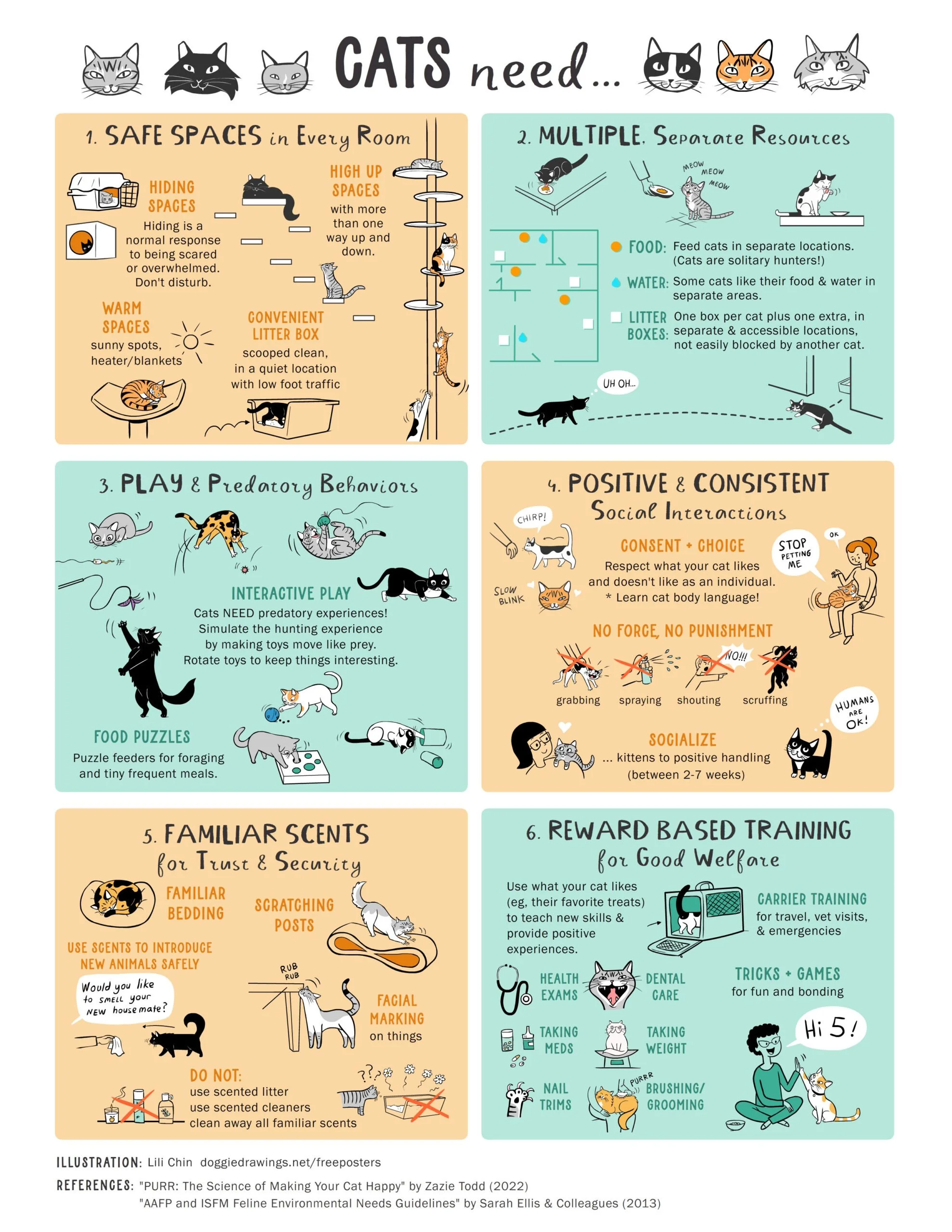
As a cat owner, you might notice this as a cat who hides more readily, startles easily, avoids unfamiliar people or situations, or needs more time to feel safe. Their environment can feel like a place they need to constantly assess rather than confidently explore. It is important they have a safe space to retreat to where they are not disturbed.
When a cat becomes stressed, their nervous system can activate one of the four F responses: fight, flight, freeze or fiddle. Their breathing can change as part of this response. They may breathe more rapidly or shallowly, and some cats may pant when highly stressed. For a cat who already has respiratory difficulties, this additional stress can make breathing feel even more challenging. If you've ever experienced a panic attack or struggled with asthma, you may have some sense of how frightening and physically overwhelming changes in breathing can feel. A cat who is in freeze mode is not any less distressed than one in fight mode.
If stress becomes chronic, cortisol can remain elevated. Ongoing stress can influence inflammatory processes in the body, including cytokine activity, which may contribute to airway inflammation. At the same time, a stressed or unwell cat may play less, explore less and move around less. This reduction in normal behaviours can affect their physical health and emotional wellbeing.
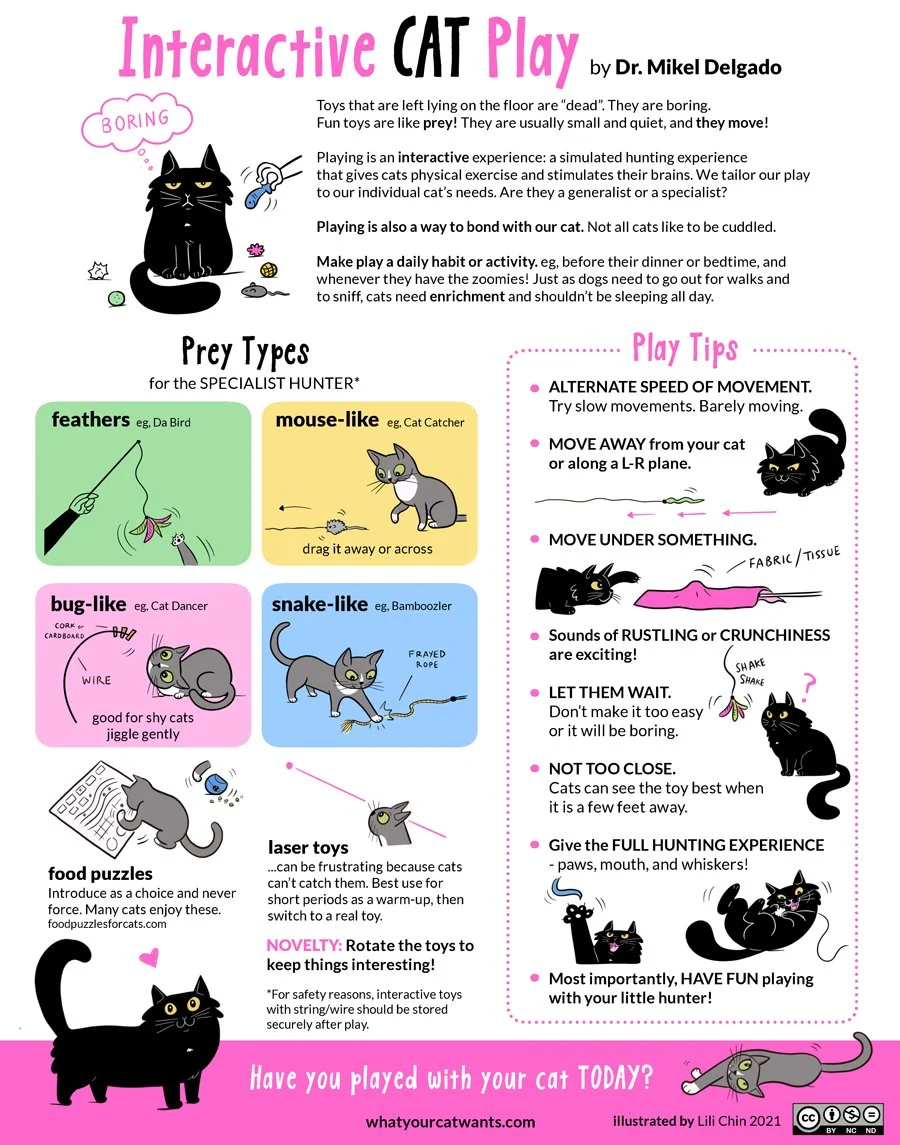
Play , in a way your cat likes and is suitable for them can boost their wellbeing. Dr Delgado talked about this topic at our recent conference.
Respiratory challenges can also affect sleep and a cat's sense of smell. This is particularly important because cats experience and navigate their world through their highly developed sense of smell. When a cat isn't sleeping well or can't comfortably engage with their environment through scent, their whole experience of the world can be affected. Having high bowls may help them access food more easily.
Providing a safe, predictable space is so important for a cat experiencing stress or respiratory difficulties. A quiet retreat where they can rest undisturbed gives them an opportunity to regulate and recover (as well as for a cat who does not have these challenges).
Sleep itself plays an important role in emotional processing. During REM sleep, the brain helps regulate emotional arousal and process memories. Good-quality sleep can therefore be an important part of helping a cat cope with stressful experiences. Window film on the bottom of windows so other cats can't look in can be very helpful. We cannot tell when a cat is in REM sleep. In a dog it can look like they are ‘chasing squirells’ they may vocalise and move their paws. You shouldn’t wake up a pet from REM sleep.
You can read more about cats over on the blog on my website St Claws Academy or my podcast the Contented Catcast.
Reference: Heath, Sarah (2026), Respiratory disease and behaviour, International Cat Care Congress 2026.